
Our Services
Financial advisory solutions tailored to your needs.
Medical Diagnostics

Whole Exome Sequencing (WES)
Whole Exome Sequencing (WES) is a highly precise genomic technique that utilizes Next-Generation Sequencing (NGS) to simultaneously analyze all protein-coding regions (the exome) of the human genome. Although the exome represents only about 1–2% of the total genome, it contains approximately 85% of all known disease-causing genetic mutations. This makes WES an extraordinarily cost-effective and clinically impactful solution for diagnosing rare and complex genetic disorders.

Clinical Exome Sequencing (CES)
Clinical Exome Sequencing (CES) is a targeted, high-depth Next-Generation Sequencing (NGS) analysis focused specifically on gene regions with well-established disease associations in medical literature (OMIM/phenotype-associated genes). While Whole Exome Sequencing (WES) captures all protein-coding regions, CES concentrates on clinical relevance, offering higher coverage depth, faster turnaround times, and cost-effective diagnostic yield for routine clinical workflows.

Whole Genome Sequencing (WGS)
Whole Genome Sequencing (WGS) is the most comprehensive genomic analysis method available, utilizing Next-Generation Sequencing (NGS) technologies to map an organism's entire genetic code—including both protein-coding exons and non-coding intronic or regulatory regions. By scanning 100% of the genome, WGS provides an uncompromised view of genetic variation when targeted gene panels or Whole Exome Sequencing (WES) fall short.

Non-Invasive Prenatal Testing (NIPT)
Non-Invasive Prenatal Testing (NIPT) is a highly accurate screening methodology that analyzes cell-free fetal DNA (cffDNA) circulating in maternal blood using Next-Generation Sequencing (NGS) technology. By eliminating physical contact with the fetus or the amniotic sac, NIPT completely removes the procedure-related miscarriage risks associated with invasive diagnostic methods (Amniocentesis, CVS), while detecting major chromosomal abnormalities with exceptional precision.

Liquid Biopsy (ctDNA Analysis)
Liquid Biopsy is a cutting-edge, non-invasive Next-Generation Sequencing (NGS) solution designed to overcome the physical and temporal limitations of traditional tissue biopsies in oncology. By analyzing circulating tumor DNA (ctDNA) and circulating tumor cells (CTCs) shed into the bloodstream, Liquid Biopsy enables comprehensive genomic profiling, real-time treatment monitoring, and early detection of drug resistance mechanisms without requiring surgical intervention.
Tumor Mutational Burden (TMB)
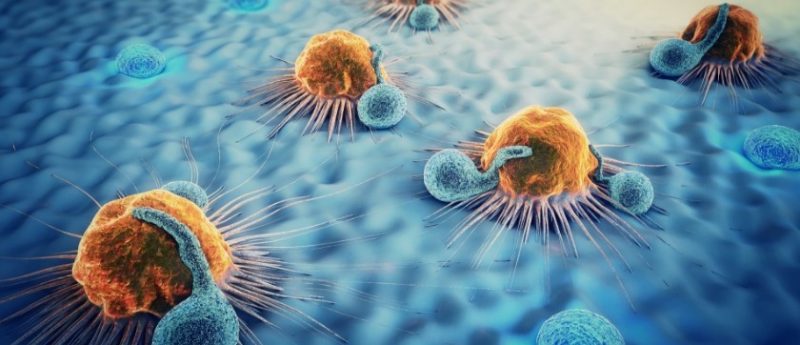
Tumor Mutation Burden (TMB) is a pivotal Next-Generation Sequencing (NGS) biomarker in immuno-oncology that measures the total number of somatic mutations per megabase (mut/Mb) within a tumor's genomic sequence. Tumors exhibiting high TMB generate a greater abundance of novel, tumor-specific antigens (neoantigens). These neoantigens enhance host immune recognition, rendering the tumor significantly more responsive to Immune Checkpoint Inhibitor (ICI) therapies.

Cardiology Panel
The Cardiology Genetics Panel is an advanced diagnostic assay utilizing Next-Generation Sequencing (NGS) technology to simultaneously screen targeted genes associated with inherited cardiovascular conditions. Designed to uncover the molecular etiology of cardiomyopathies, channelopathies, and familial hypercholesterolemia, this panel identifies individuals at risk long before clinical symptoms manifest. It serves as a vital tool for stratifying sudden cardiac death (SCD) risk and formulating proactive family-centered care strategies.
Hematology Genetics Panel
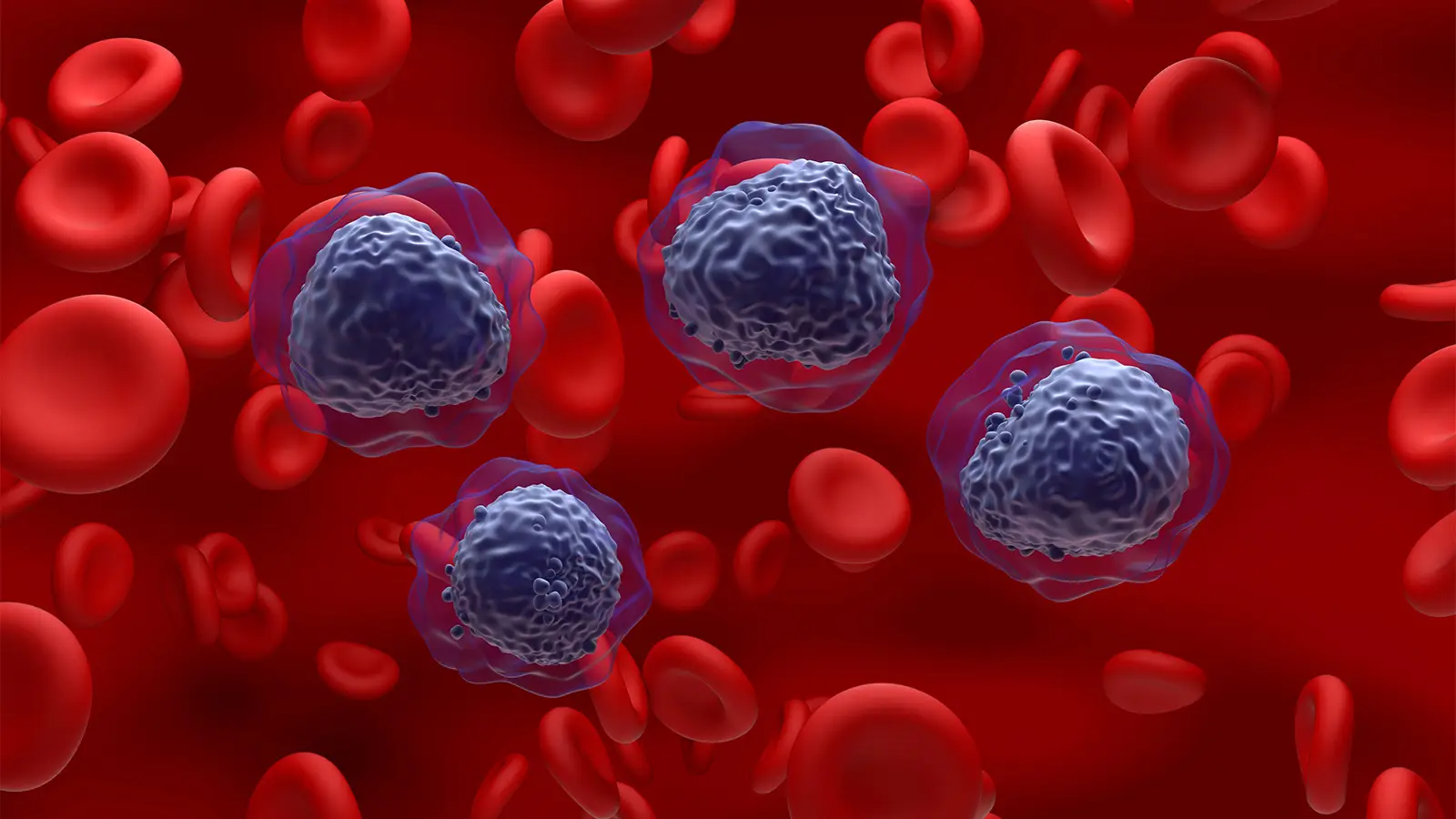
The Hematology Genetics Panel is a targeted Next-Generation Sequencing (NGS) assay designed to comprehensively profile the genetic landscape of both inherited and acquired (somatic) hematological disorders, bone marrow failure syndromes, and hematologic malignancies (leukemias, lymphomas, myelodysplastic syndromes). It provides essential genomic insights required for differential diagnosis, World Health Organization (WHO) subclassification, risk stratification, and precision therapeutic targeting.

Dermatology Genetics Panel
The Dermatology Genetics Panel is an advanced targeted Next-Generation Sequencing (NGS) assay designed to comprehensively profile the genetic spectrum of inherited and acquired dermatological disorders. By evaluating genes governing epidermal integrity, barrier function, pigmentation, and cutaneous appendages (hair, nails, sweat glands), this panel resolves diagnostic ambiguity in genodermatoses, hereditary hair/nail dystrophies, and familial cutaneous malignancies (e.g., melanoma).

Hereditary Cancer Genetics Panel
The Hereditary Cancer Genetics Panel is an advanced targeted Next-Generation Sequencing (NGS) assay designed to identify germline genetic mutations that significantly increase an individual's lifetime risk of developing cancer. Approximately 5–10% of all cancers stem from inherited pathogenic variants passed down through families. This comprehensive panel screens for hereditary predispositions across major malignancies—including breast, ovarian, colorectal, prostate, and endometrial cancers—enabling early detection and proactive risk management.
ENT / Otorhinolaryngology Genetics Panel
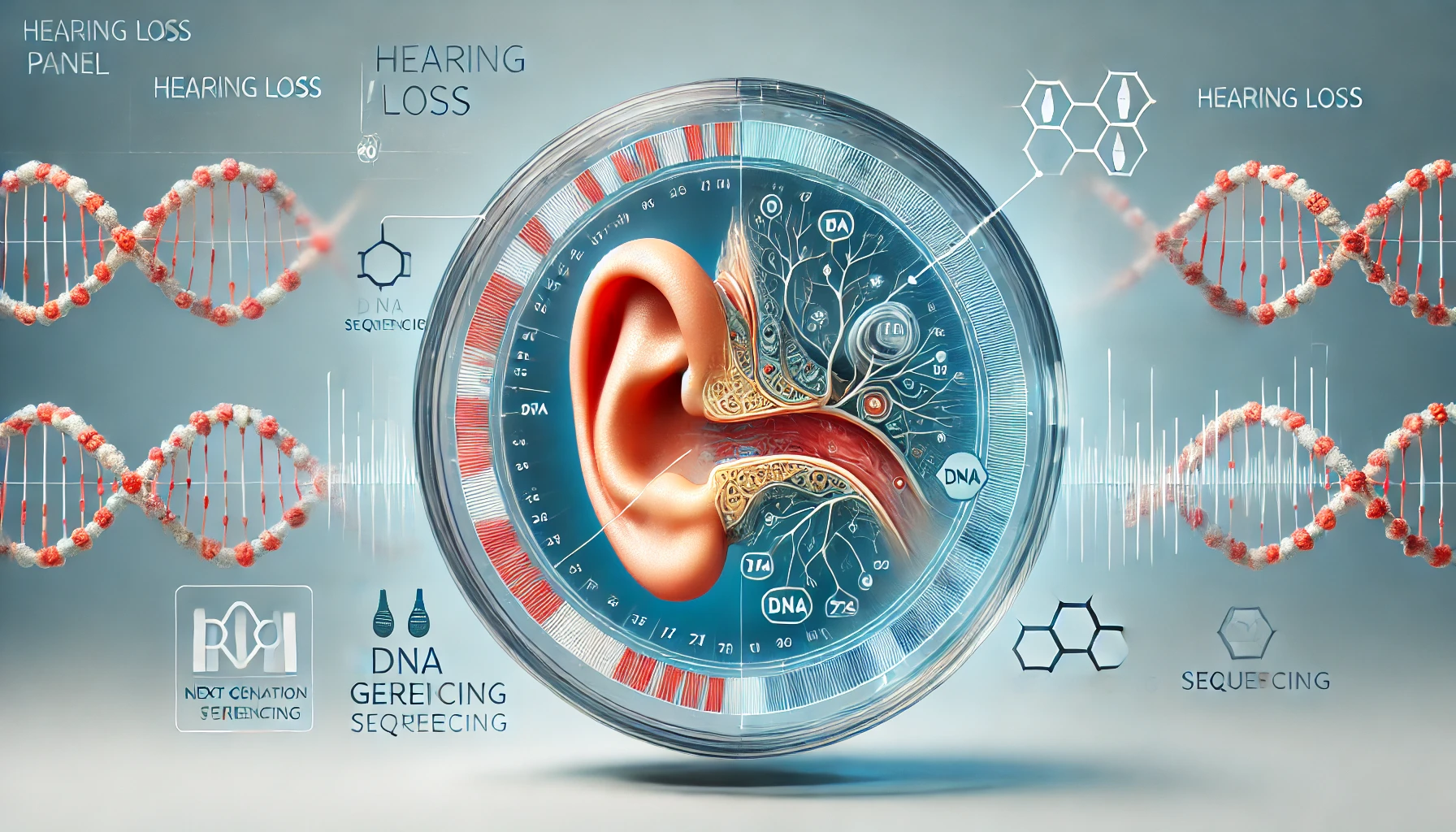
The ENT Genetics Panel is an advanced targeted Next-Generation Sequencing (NGS) assay designed to comprehensively profile the genetic landscape of inherited and acquired otorhinolaryngological conditions. By evaluating genes governing auditory function, vestibular pathways, head and neck oncogenesis, and craniofacial development, this panel resolves diagnostic ambiguity in congenital/late-onset hearing loss, hereditary head and neck tumors, and olfactory disorders.

Immunology NGS Panel
The Immunology Genetics Panel is an advanced targeted Next-Generation Sequencing (NGS) assay designed to comprehensively profile germline genetic variants across pathways governing immune system development, cellular/humoral responses, and immune regulation. By identifying the molecular underlying causes of Primary Immunodeficiencies (PID), Inborn Errors of Immunity (IEI), autoinflammatory syndromes, and immune dysregulation disorders, this panel provides actionable data for definitive diagnosis, targeted biological therapies, hematopoietic stem cell transplantation (HSCT) planning, and family management.
Endocrinology Genetics Panel
The Endocrinology Genetics Panel is a comprehensive, targeted Next-Generation Sequencing (NGS) assay designed to profile germline and somatic mutations across genes regulating hormone synthesis, receptor signaling, and endocrine organ development (pituitary, thyroid, parathyroid, adrenal, pancreas, and gonads). By deciphering the molecular etiology of monogenic diabetes, hereditary endocrine tumor syndromes, congenital adrenal/thyroid disorders, and growth/pubertal anomalies, this panel enables precise molecular diagnosis, tailored hormone/pharmacotherapy, and proactive family risk management.
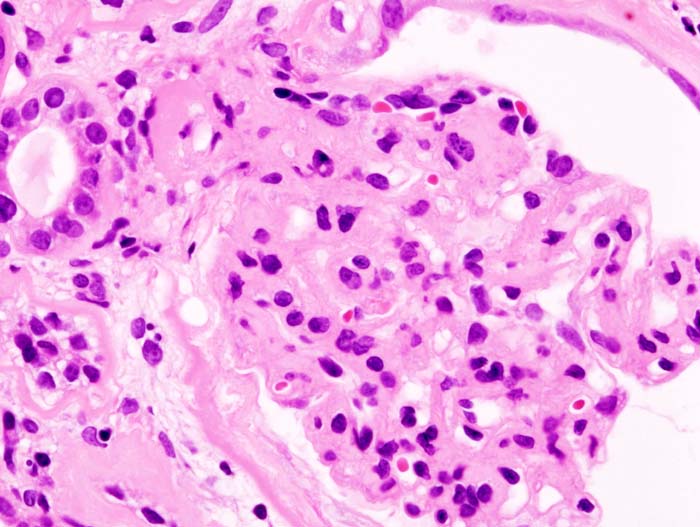
Nephrology Genetics Panel
The Nephrology Genetics Panel is an advanced targeted Next-Generation Sequencing (NGS) assay designed to comprehensively profile germline mutations in genes responsible for renal structural integrity, glomerular filtration, tubular transport, and ciliopathy networks. Genetic factors account for a significant proportion of Chronic Kidney Disease (CKD) cases, particularly in pediatric populations and early-onset adult end-stage renal disease (ESRD). This panel resolves diagnostic ambiguity in cystic kidney diseases, glomerulopathies, tubulopathies, and syndromic renal disorders, providing actionable data for targeted therapy, kidney transplantation risk assessment, donor safety, and cascade family testing.

Gastroenterology Genetics Panel
The Gastroenterology Genetics Panel is a targeted Next-Generation Sequencing (NGS) assay designed to comprehensively profile germline mutations in genes governing digestive tract architecture, mucosal immunity, enzymatic pathways, and hepatobiliary function. Genetic variations play a crucial role in early-onset gastrointestinal disorders, hereditary polyposis/cancer syndromes, chronic pancreatitis, and metabolic liver diseases. This panel resolves diagnostic ambiguity in complex GI conditions, providing actionable insights for cancer surveillance, targeted pharmacotherapy, endoscopic monitoring, and cascade family testing.
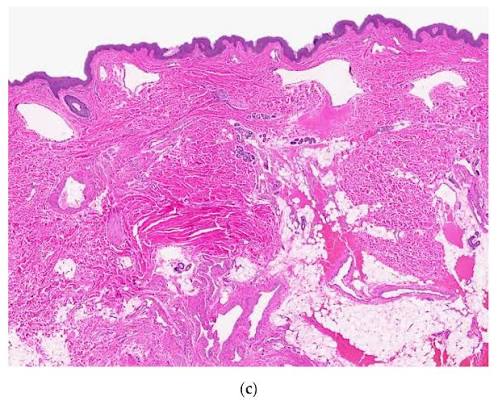
Malformation Panel
The Congenital Malformations & Dysmorphology Genetics Panel is a targeted Next-Generation Sequencing (NGS) assay engineered to comprehensively profile germline mutations across genes governing embryonic organogenesis, morphogenesis, and structural development. Congenital anomalies, dysmorphic facial features, skeletal dysplasias, and multi-organ malformation syndromes frequently originate from complex genetic disruptions. This panel resolves diagnostic ambiguity in patients with complex, overlapping, or atypical malformation phenotypes, providing an accurate molecular diagnosis, guiding multidisciplinary clinical care, establishing recurrence risks, and enabling reproductive planning for future pregnancies.

Neurology Panel
The Neurology Genetics Panel is a targeted Next-Generation Sequencing (NGS) assay engineered to comprehensively profile germline mutations in genes governing central and peripheral nervous system development, neuronal conduction, myelination, and neurodegenerative pathways. Neurological disorders encompass a vast, clinically overlapping spectrum including neuromuscular diseases, refractory epilepsies, movement disorders, early-onset dementias, and hereditary ataxias. This panel resolves diagnostic complexity in patients with atypical or overlapping neurogenetic presentations, enabling accurate molecular diagnosis, genotype-targeted therapeutics, prognostic stratification, and family risk management.

Ophthalmology Panel
The Ophthalmology Genetics Panel is a targeted Next-Generation Sequencing (NGS) assay engineered to comprehensively profile germline mutations across genes governing ocular structure, photoreceptor function, corneal/lens clarity, ocular pigmentation, and optic nerve transmission. Ocular disorders encompass a vast, clinically overlapping spectrum including inherited retinal dystrophies, anterior segment dysgenesis, early-onset glaucoma, congenital cataracts, and optic neuropathies. This panel resolves diagnostic ambiguity in complex ophthalmic cases, enabling accurate molecular diagnosis, eligibility assessment for gene therapies, longitudinal vision preservation management, and family risk stratification.

Metabolic Panel
The Inborn Errors of Metabolism (IEM) Genetics Panel is a targeted Next-Generation Sequencing (NGS) assay engineered to comprehensively profile germline mutations across genes encoding metabolic enzymes, transport proteins, and cofactors involved in cellular bioenergetics, carbohydrate, amino acid, lipid, and nucleic acid pathways. Metabolic disorders arise from functional enzymatic deficiencies leading to toxic substrate accumulation or critical energy failure. This panel resolves diagnostic ambiguity in patients presenting with unexplained neurodevelopmental regression, intractable seizures, metabolic acidosis, recurrent hypoglycemia, hyperammonemia, or organomegaly, enabling prompt molecular diagnosis, targeted dietary/enzymatic management, prevention of irreversible organ damage, and cascade family testing.
Pulmonary Panel
The Pulmonology Genetics Panel is an advanced targeted Next-Generation Sequencing (NGS) assay engineered to comprehensively profile germline and somatic mutations across genes governing pulmonary parenchymal architecture, epithelial cell clearance, surfactant homeostasis, and pulmonary vascular networks. Pulmonary diseases encompass a broad, clinically overlapping spectrum including Cystic Fibrosis, Idiopathic Pulmonary Fibrosis (IPF), Familial Pulmonary Arterial Hypertension (PAH), Primary Ciliary Dyskinesia (PCD), and hereditary lung cancer predispositions. This panel resolves diagnostic complexity in patients with atypical or refractory respiratory presentations, providing an accurate molecular diagnosis, guiding precision therapeutics, informing lung transplantation protocols, and enabling family risk management.
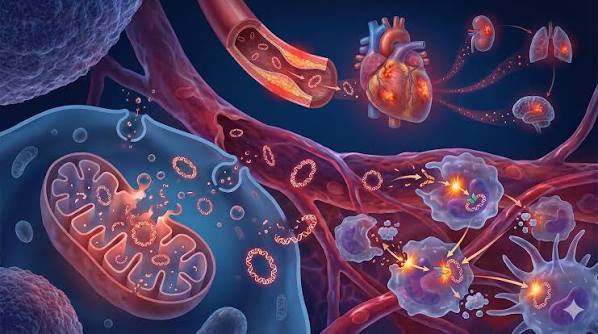
Mitochondrial Panel
The Mitochondrial Diseases Genetics Panel is a targeted Next-Generation Sequencing (NGS) assay engineered to comprehensively profile germline mutations across nuclear and mitochondrial genes governing oxidative phosphorylation (OXPHOS), mitochondrial DNA maintenance, replication, and intramitochondrial transport. Mitochondrial disorders arise from genetic defects in either nuclear DNA (nDNA) or mitochondrial DNA (mtDNA). Because mitochondria fuel high-energy demand organs, these disorders routinely present with multi-systemic, highly heterogeneous clinical manifestations involving the central nervous system, skeletal muscle, heart, eyes, and liver. This panel resolves diagnostic ambiguity in complex multi-organ phenotypes, enabling accurate molecular diagnosis, prognostic evaluation, complication prevention, and precise reproductive risk assessment.
Life Sciences

COVID-19 (SARS-CoV-2) Genome Sequencing
COVID-19 Genome Sequencing utilizes Next-Generation Sequencing (NGS) platforms to map the entire RNA genome of the SARS-CoV-2 virus. This high-throughput analysis represents the gold standard for tracking viral evolution, identifying emerging lineages (such as Alpha, Delta, Omicron, and their subvariants), and assessing potential immune evasion or altered transmissibility.

Amplicon Sequencing and Analysis
Amplicon Sequencing is a targeted Next-Generation Sequencing (NGS) approach that utilizes PCR primers to amplify specific genomic regions (such as 16S rRNA, ITS, 18S, or targeted gene panels) for ultra-deep sequencing. Compared to whole-genome or exome approaches, focusing on specific sequences of interest yields exceptionally high coverage depth, high sensitivity, and a cost-effective workflow.

Shotgun Sequencing and Analysis
Microbial Metagenomics and Shotgun Metagenomics analysis content tailored for the Nucleus Genetics website:

Viral Metagenomic Sequencing & Analysis (Virome Profiling)
Viral Metagenomic Sequencing (Virome Profiling) leverages Next-Generation Sequencing (NGS) to directly capture, map, and analyze the total viral genetic material—comprising both DNA and RNA viruses—present in a complex sample. Unlike bacteria, viruses lack a universally conserved marker gene (such as 16S rRNA); hence, unbiased Shotgun RNA/DNA sequencing workflows are utilized. This approach enables the comprehensive discovery of known human pathogens as well as novel, mutated, or rare viral agents without prior culturing or targeted primers.