

04.09.2026
Genetic Testing in Pregnancy Planning: Is a Future Free of Inherited Disease Possible?
Preparing for parenthood is an exciting journey. However, for couples with a known family history of a genetic condition, consanguinity, or a previous pregnancy affected by an inherited disorder, the process can bring significant worry.
Advances in reproductive medical genetics now allow carrier couples to prevent the transmission of single-gene disorders to their children. Here is how modern genetic screening and diagnostic tools help protect future generations.
Understanding Genetic Carrier Status
Many severe inherited conditions follow an Autosomal Recessive pattern. In these cases, both parents carry a single mutated copy of a gene but remain completely asymptomatic.
However, when two carriers for the same condition conceive, there is a 25% risk in every pregnancy that the child will inherit both mutated alleles and be affected by the disease. Consanguineous marriages significantly increase the likelihood that both partners carry matching recessive variants.
Step 1: Pre-Conception Expanded Carrier Screening
Before conception, Expanded Carrier Screening (utilizing multi-gene NGS panels) allows prospective parents to determine if they carry matching mutations for hundreds of recessive conditions, such as SMA, Cystic Fibrosis, Thalassemia, and metabolic disorders.
If both partners are identified as carriers for the same gene, proactive reproductive planning options become available.
Step 2: IVF and PGT-M (Preimplantation Genetic Testing for Monogenic Disorders)
When a specific pathogenic variant is identified in carrier parents, PGT-M can be performed in conjunction with In Vitro Fertilization (IVF):
- Embryos are created via IVF techniques using the parents' gametes.
- A micro-biopsy is performed on day 5 of embryonic development (blastocyst stage).
- DNA from the biopsy is analyzed specifically for the family's known mutation.
- Unaffected embryos (either non-carriers or asymptomatic carriers) are selected for transfer to the uterus.
This approach helps break the cycle of inherited disease within a family, offering a path toward a healthy pregnancy.
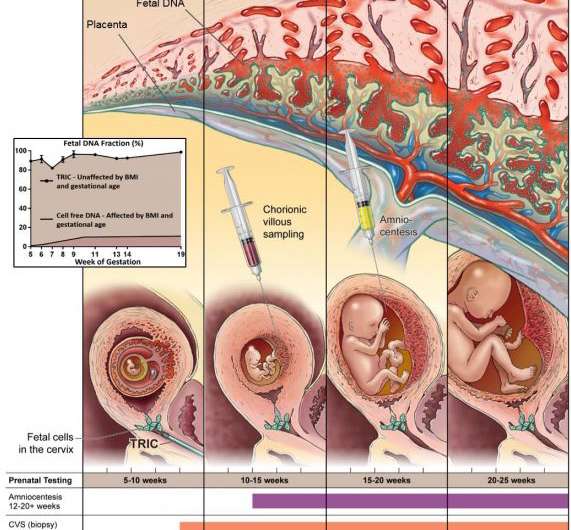
Step 3: Prenatal Diagnosis During Pregnancy (CVS and Amniocentesis)
If a pregnancy is already established in a high-risk couple, diagnostic procedures can confirm the fetal genetic status:
- CVS (Chorionic Villus Sampling): Performed between weeks 11 and 14 of gestation by sampling placental tissue.
- Amniocentesis: Performed between weeks 16 and 20 of gestation by analyzing amniotic fluid.
Targeted sequencing or panel assays on these samples provide definitive diagnostic answers regarding fetal health.
The Role of Genetic Counseling
Navigating reproductive choices requires personalized medical guidance. Consulting a Clinical Geneticist or Genetic Counselor prior to pregnancy provides clarity on available screening options and risk management strategies. Nucleus Genetics delivers accurate panel assays to support families and clinicians throughout the reproductive journey.